
When you walk through your front door, you expect fresh, clean air—not a hidden mold problem. Yet in many Eastern North Carolina homes, mold is quietly growing in crawlspaces, behind walls, under carpets, or around old leaks. You may not see it, but your body might be feeling it through allergies, headaches, or constant “sinus trouble” that never quite goes away.
In this article, we will walk through what mold is, the warning signs of a mold problem, how it affects your health, and how professional mold testing and indoor air quality evaluations from D & D Home Inspection Services can help protect your home and family.
What Is Mold and Why Is It a Problem in Homes?
Mold is a type of fungus that thrives in damp, warm, and poorly ventilated areas. In nature, mold helps break down dead leaves and wood. Inside your home, however, mold can damage building materials and contribute to poor indoor air quality.
In Eastern North Carolina—where we have high humidity, frequent storms, and many homes on crawlspaces—conditions are ideal for mold growth if moisture is not controlled. Once mold finds a damp area, it spreads through microscopic spores that float through the air and settle on nearby surfaces.
Some common indoor locations where mold problems develop include:
- Wet or damp crawlspaces under the home
- Basements or lower-level rooms with high humidity
- Bathrooms with poor ventilation
- Kitchens and laundry rooms with chronic condensation
- Areas around roof, window, or plumbing leaks
- HVAC systems, ductwork, and around air handlers
Is Mold Hiding in Your Home? Warning Signs to Watch For
Mold is not always obvious. Sometimes you will see dark, fuzzy growth, but often the first clues are more subtle. Ask yourself if you have noticed any of the following:
1. Musty or Earthy Odors
A persistent musty smell—especially in certain rooms, closets, or when the HVAC system turns on—is one of the most common signs of a mold problem. Even when you cannot see mold, your nose may detect it.
2. Visible Spots or Staining
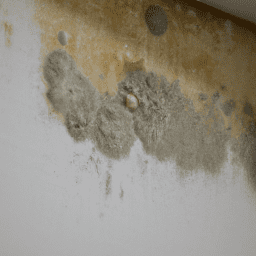
Mold can appear in many colors: black, green, brown, gray, or even white. Look for:
- Spots or streaks on drywall, ceilings, or trim
- Discoloration around window sills
- Dark areas on bathroom grout and caulking
- Stains or fuzzy patches on wood in the crawlspace or attic
3. Recurring Moisture or Condensation
Anywhere water sits for more than 24–48 hours is at risk. Watch for:
- Condensation on windows
- Damp or sweating pipes
- Water stains that keep reappearing after you clean
- Standing water or mud in the crawlspace
4. Health Symptoms That Are Worse at Home
Do you or your family feel better when you are away from the house? Mold can contribute to:
- Stuffy or runny nose
- Chronic cough or frequent throat clearing
- Watery or itchy eyes
- Skin irritation or rashes
- Worsening asthma or shortness of breath
- Headaches, fatigue, or difficulty concentrating
These symptoms often get mistaken for seasonal allergies or “just getting older.” But if they improve when you are at work, on vacation, or outside—and return when you are home—your indoor air may be part of the problem.
Common Sources of Mold Problems in Eastern North Carolina Homes
Our climate and construction styles create certain patterns. As a home inspector, I regularly see mold or moisture issues in:
Crawlspaces
Many homes in Kinston, Greenville, Goldsboro, Jacksonville, New Bern, and surrounding areas sit on crawlspaces. Poor drainage, missing or damaged vapor barriers, and inadequate ventilation allow moisture levels to climb. Over time, this can lead to microbial growth on joists, subflooring, and insulation.
Bathrooms and Laundry Rooms
Hot showers and dryers release a lot of moisture into the air. Without properly vented exhaust fans, humidity rises, and mold may appear on ceilings, walls, and around windows.
Roof or Plumbing Leaks
Even a small leak can cause a big problem when it is hidden behind walls or above ceilings. Wet drywall and framing become a perfect food source for mold, often long before stains appear on paint or ceilings.
HVAC and Duct Systems
Condensation on coils, dirty filters, or ductwork running through unconditioned spaces can allow moisture to build up inside your HVAC system. If mold develops here, spores can spread throughout the home whenever the system runs.
Can Mold Make You Sick?
Mold affects people differently. Some may barely notice it, while others experience significant symptoms. Those at greatest risk include:
- People with asthma or other respiratory conditions
- Young children and the elderly
- Individuals with weakened immune systems
- Anyone with mold allergies or chemical sensitivities
Potential health effects of mold exposure may include:
- Allergy-like symptoms (sneezing, runny nose, itchy eyes)
- Wheezing or shortness of breath
- Coughing or chest tightness
- Sinus congestion or recurring sinus infections
- Skin irritation or hives
- Fatigue, headaches, and difficulty sleeping
While a home inspector does not diagnose medical conditions, we can help you understand when your home’s environment might be contributing to these issues—and when mold testing is a wise next step.
Can You Handle a Mold Problem Yourself?
For very small areas (usually less than 10 square feet) on hard, non-porous surfaces, homeowners may be able to clean mold following EPA recommendations and proper safety precautions. However, you should not treat every mold problem as a DIY project.
Consider professional help when:
- The affected area is large or keeps coming back.
- Mold is on drywall, insulation, or other porous materials.
- You suspect contamination in HVAC systems or ductwork.
- Family members have significant mold-related health concerns.
- The source of moisture has not been identified or corrected.
Cleaning visible mold without fixing the underlying moisture problem almost guarantees that the mold will return.
The Role of Professional Mold Testing
Visual clues are important, but they do not tell the whole story. Professional mold testing and indoor air quality evaluations can answer key questions, such as:
- Are mold spore levels elevated indoors compared to outdoors?
- Which types of mold are present?
- Are hidden areas contributing to poor indoor air quality?
- Did mold remediation successfully reduce spore levels?
Professional testing typically includes:
- Visual Inspection: Checking for moisture problems, staining, and visible growth.
- Air Sampling: Collecting indoor and outdoor air samples to compare mold spore levels.
- Surface Sampling: Swabbing or tape-lifting suspect surfaces to identify mold types.
- Moisture Measurements: Using meters or thermal imaging to identify damp materials.
The results help you and your remediation contractor make informed decisions and verify that repairs were effective.
Does Your Home Need Mold Testing?
You should strongly consider mold testing if:
- Your home has a history of leaks, flooding, or crawlspace moisture.
- You notice musty odors but cannot find the source.
- Family members have persistent allergy or respiratory symptoms that worsen at home.
- You are buying or selling a home in a humid area like Eastern North Carolina.
- You want to confirm that a previous mold remediation job was successful.
Testing is an investment in your health and your property. Identifying mold problems early often prevents more costly damage down the road.
Frequently Asked Questions About Mold Problems
How quickly can mold grow after a leak?
Under the right conditions, mold can begin to grow within 24–48 hours on damp materials. That is why it is so important to dry out wet areas as quickly as possible after a leak or flood.
Does bleach kill mold?
Bleach may lighten the stain on the surface, but it does not reliably penetrate porous materials like drywall or wood. As a result, mold can return. In most cases, controlling moisture, removing contaminated materials, and following professional remediation protocols works better than relying on bleach.
If I cannot see mold, can I still have a mold problem?
Yes. Mold can grow inside walls, above ceilings, under flooring, and in crawlspaces or ductwork. Musty odors,