Flood-Damaged Homes in Eastern North Carolina
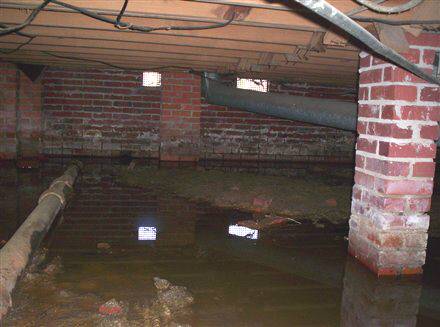
If your home has taken on water from a hurricane, tropical storm, heavy rain, poor drainage, or a crawlspace flood event, the damage is often hidden—under flooring, behind walls, inside HVAC ducting, and throughout the crawlspace. D & D Home Inspection Services helps homeowners, buyers, and sellers across Eastern North Carolina identify water-related risks early, document conditions clearly, and plan repairs with confidence.
Call / Text: (252) 523-8255
Need an inspection quickly? Use our request form:
Request a Home Inspection
Why Flood Damage Is So Hard to Spot
In many Eastern NC homes—especially properties built slightly below grade or with low crawlspaces—water can enter during heavy rains and storm events and then drain away, leaving behind moisture, contamination, and structural concerns that aren’t obvious during a quick walk-through. This is a common issue after major events like Hurricane Floyd and Hurricane Matthew.
Common hidden problems after a flood event
- Large mold growth (often in crawlspaces, wall cavities, and insulation)
- Wood decay and weakening of floor framing, subflooring, and sill areas
- Termite and wood-destroying insect risk due to elevated moisture
- Electrical hazards from moisture exposure and improper restoration
- Septic and drainage issues including failure, backflow, or soil saturation
- HVAC and duct contamination (musty odors, microbial growth, reduced air quality)
- Foundation and structural movement from saturated soils and erosion
Flood-damaged homes can also include serious safety hazards—slippery surfaces, contaminated sludge, and shock hazards—so a careful, methodical inspection approach matters.
What We Look For During a Flood-Damage / Water Intrusion Inspection
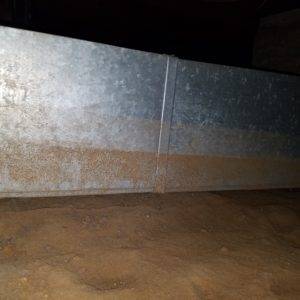 Our inspections are designed to document conditions and flag moisture-driven defects that can affect a home’s structure, indoor air quality, and long-term durability. We focus heavily on the areas most commonly impacted in Eastern North Carolina: crawlspaces, lower wall areas, flooring systems, HVAC components, and drainage patterns.
Crawlspace & Foundation
- Standing water, mud lines, and high moisture conditions
- Insulation damage, sagging vapor barriers, and wet ductwork
- Wood rot, microbial growth, and corrosion on metal components
- Foundation cracking and signs of shifting or erosion
Structure, Floors & Interior
- Soft floors, cupping, swelling, and delamination
- Staining, warping, and moisture patterns along baseboards and drywall
- Evidence of prior repairs that may not match proper restoration practices
- Odors that suggest persistent moisture or contamination
Electrical, HVAC & Safety
- Moisture exposure at panels, receptacles, and wiring
- HVAC/duct conditions that can impact indoor air quality
- Gas-leak awareness and basic site safety observations
- Recommendations for qualified contractors when needed
Related services:
Mold Testing |
Water Intrusion Inspection |
Repair Verification
Major Hurricanes & Tropical Systems That Have Impacted Eastern North Carolina
Eastern North Carolina’s coastline and river basins make it especially vulnerable to hurricane rainfall, storm surge, and prolonged flooding. Below is a practical timeline of notable storms that have impacted our region (coastal and inland ENC), along with widely cited dates.
- Hurricane Hazel — October 15, 1954
- Hurricane Fran — September 5, 1996 (landfall near the Cape Fear area)
- Hurricane Floyd — September 16, 1999 (NC landfall; catastrophic flooding followed)
- Hurricane Isabel — September 18, 2003
- Hurricane Irene — August 27, 2011
- Hurricane Matthew — October 8–9, 2016 (devastating flooding across eastern NC)
- Hurricane Florence — September 14, 2018 (landfall in NC; prolonged flooding impacts)
- Hurricane Dorian — September 2019 (landfall/impacts along the Outer Banks)
- Hurricane Isaias — August 4, 2020 (NC landfall)
- Tropical Storm Ophelia — September 23, 2023 (landfall near Emerald Isle)
If a home experienced flooding during any of these events (or frequent heavy rains), it’s common to find moisture damage in crawlspaces, insulation, flooring systems, and mechanical components—especially when restoration was delayed or incomplete.
Smart Tips for Buyers & Sellers of Flood-Damaged Homes
If you’re evaluating a flood-damaged property—or suspect the crawlspace has flooded in the past—these are some of the safest, most practical steps to reduce risk before you invest time or money into repairs:
- Use a flashlight (not open flames) and avoid entering areas with standing water.
- Watch for doors sticking, sagging surfaces, and signs of structural movement.
- Assume wet materials may be contaminated (mud/silt can contain bacteria and chemicals).
- Don’t operate appliances/equipment that got wet until properly evaluated and dried.
- Be cautious in crawlspaces due to mold, sewage, wildlife, and electrical hazards.
A thorough inspection helps you separate “cosmetic cleanup” from real defects that can affect safety, resale value, and long-term maintenance costs.
Flood-Damaged Home Inspection FAQs
How do I know if a home’s crawlspace has flooded before?
Common clues include mud lines on foundation walls or piers, damp or fallen insulation, rust/corrosion on metal components, microbial growth on framing, and musty odors—especially after rain.
Is mold always present after a flood?
Not always—but the risk rises quickly when materials stay damp. Crawlspaces, insulation, drywall edges, and HVAC ducting are frequent problem areas. If you suspect mold or smell persistent musty odors, consider professional evaluation and testing.
Can flood damage affect the electrical system even if the power is on?
Yes. Moisture exposure can corrode connections, damage devices, and create shock/fire risk. If water reached outlets, wiring, equipment, or the panel area, a qualified electrician should evaluate and repair as needed.
What’s the biggest “hidden” cost in flood-damaged homes?
Long-term moisture problems—like recurring mold, wood decay, and HVAC contamination—often cost more over time than the initial cleanup, especially when drainage and crawlspace conditions aren’t corrected.
Do you offer repair verification after restoration work is completed?
Yes. If contractors have performed drying, demolition, replacement, or drainage improvements, we can re-check key areas and document visible conditions so you can move forward with more confidence.
What areas do you serve in Eastern North Carolina?
We serve homeowners and buyers across Eastern NC, including Kinston, Greenville, Goldsboro, Jacksonville, New Bern, Richlands, Trenton, La Grange, Snow Hill, Winterville, Pink Hill, and surrounding communities.
Schedule a Flood-Damage / Water Intrusion Inspection
that helps you understand what happened, what still needs attention, and what to fix first.
- Fast scheduling for Eastern North Carolina
- Clear findings you can use for repair planning and negotiations
- Local experience with hurricane-related moisture and crawlspace flooding