Why Buried Oil Tanks Matter
Underground storage tanks may hold petroleum products and other hazardous substances. If a tank is inactive, unknown in age, or has never been tested, it’s smart to treat it as a potential risk until proven otherwise. Your goal during due diligence is to determine whether a tank exists, whether it appears active or inactive, and whether additional testing is needed to reduce risk before you purchase.
Common Signs an Underground Oil Tank May Be Present
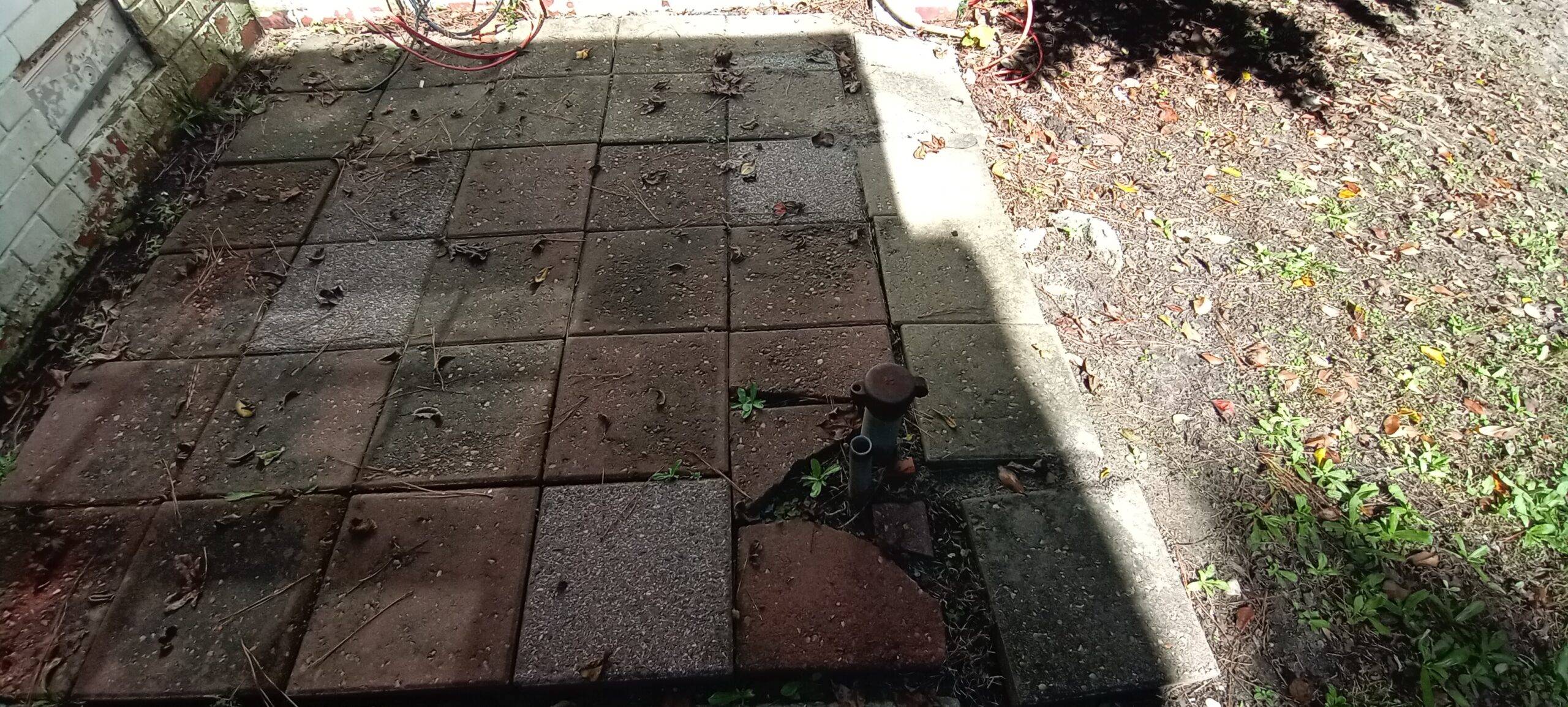
- Metal fill pipe and/or vent pipe emerging from the ground near the home
- Old oil supply line evidence leading toward the structure
- Oil-fired heating equipment history (or indications it existed in the past)
- Depressed areas in the yard, disturbed soil, or odd patches near exterior walls
- Strong petroleum odor near soil, crawlspace, basement, or utility areas
What We Do During an Oil Tank Concern Inspection
As part of a real estate inspection, we document visible indicators that suggest the presence of a buried oil tank and note conditions that should be evaluated further. Because underground tanks and leaks can involve specialized equipment and environmental procedures, we typically recommend additional testing by qualified tank professionals when a tank is suspected or confirmed.
Recommended Next-Step Testing (Performed by Tank Specialists)
If an underground oil tank is suspected, it is often wise to consult a qualified tank service company to determine whether leak testing, soil sampling, or other methods are appropriate. Testing can help confirm whether a tank is leaking and whether remediation should be addressed before closing.
Real Estate Tip: Address Risk Before You Buy
If testing shows leakage (or the tank’s condition is unknown and high-risk), it may be best to resolve the issue prior to purchase. Removal, abandonment-in-place procedures, and environmental remediation can be expensive—so identifying and documenting these concerns early helps protect buyers and sellers during negotiations.
Service Area
D & D Home Inspection Services provides inspections across Eastern North Carolina, including Kinston, Greenville, Goldsboro, New Bern, Jacksonville, La Grange, Snow Hill, Pink Hill, Trenton, Richlands, Winterville, and surrounding communities.
Oil Tank Inspection FAQ
Do home inspections include underground oil tank leak testing?
A standard home inspection focuses on visible conditions and documentation. Leak testing and environmental sampling are typically performed by qualified tank or environmental specialists using specialized equipment.
What should I do if I find a fill pipe or vent pipe in the yard?
Treat it as a sign that a buried tank may exist. We recommend documenting the location and consulting a qualified tank professional to confirm the tank’s status and whether testing is needed.
Can a buried oil tank affect a real estate closing?
Yes. Buried tanks can introduce liability and cleanup concerns. Confirming whether a tank exists and whether it has leaked helps buyers and sellers make informed decisions before closing.
How do I reduce risk when buying a home that may have an underground oil tank?
Ask for prior records, document visible indicators, and consider professional testing. If concerns are confirmed, address the issue before purchase whenever possible.
What areas do you serve for inspections in Eastern North Carolina?
We serve Kinston, Greenville, Goldsboro, New Bern, Jacksonville, La Grange, Snow Hill, Pink Hill, Trenton, Richlands, Winterville, and nearby areas.
How do I schedule an inspection?
Call or text (252) 523-8255 or email Wdavis3910@aol.com to request an appointment.
Inspection Services & Add-Ons Available in Eastern North Carolina
If you suspect a buried (underground) oil tank—or you want a thorough, independent inspection to support a real estate purchase—D & D Home Inspection Services offers a complete set of inspection services and add-ons across Eastern North Carolina.
Service Catalog
- Underground Oil Tank Concern Inspection Support
We document visible indicators of buried heating oil tanks and note conditions that may warrant next-step testing by qualified tank or environmental specialists. - Complete Home Inspection
A comprehensive inspection of major accessible systems and components with clear documentation to help you make informed decisions. - Termite / WDI Inspection
Inspection for evidence of wood-destroying insects and conducive conditions (commonly requested for real estate transactions). - Crawlspace Inspection
Review of accessible crawlspace areas for moisture conditions, ventilation concerns, and visible structural observations. - Roof Inspection
Inspection of accessible roof covering components and visible conditions that may impact performance. - Indoor Air Quality / Mold Testing (When Requested)
Optional sampling and IAQ testing services when requested by the client (where applicable). - Dryer Vent Inspection
Inspection of visible dryer vent material, routing, termination, and indicators of airflow restriction or lint accumulation.
Areas We Serve
Kinston, Greenville, Goldsboro, New Bern, Jacksonville, La Grange, Snow Hill, Pink Hill, Trenton, Richlands, Winterville, and nearby Eastern North Carolina communities.
Schedule Your Inspection
Ready to book? Call or text (252) 523-8255 or email
Wdavis3910@aol.com to request an appointment.