Crawlspace Flooding in Kinston, NC

Flood-damaged home interior with visible water damage inspected by a professional home inspector in Eastern North Carolina.

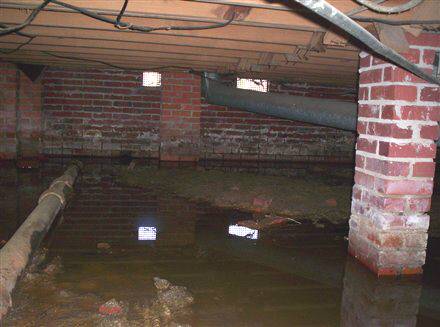
Crawlspace flooding can be more than an inconvenience for homeowners in Kinston, Lenoir County, and Eastern North Carolina. Standing water and recurring moisture beneath a home can affect wood framing,
insulation, HVAC ductwork, plumbing components, indoor air quality, and other accessible parts of the structure.

Heavy rain, poor exterior drainage, plumbing leaks, foundation openings, saturated soil, and improper grading can all contribute to water entering or collecting beneath a home. Even when the visible water eventually disappears,
moisture-related conditions may remain.

At D & D Home Inspection Services, we regularly inspect Eastern North Carolina homes where crawlspace moisture, drainage problems, and evidence of previous water intrusion are important parts of understanding
the overall condition of the property.

If you are buying, selling, or maintaining a home in Kinston and are concerned about water beneath the house, a professional inspection can help document visible conditions and identify areas that may require correction or further evaluation.

Concerned about your crawlspace?
Call or text D & D Home Inspection Services at
(252) 523-8255
or

request a home inspection online
.

Why Crawlspace Flooding Is a Serious Concern

A crawlspace is easy to overlook because most homeowners rarely enter it. Unfortunately, that means water and moisture problems can develop beneath a home without being noticed from the living area.

A crawlspace does not necessarily have to contain several inches of standing water before moisture becomes important. Damp soil, condensation, leaking pipes, wet insulation, elevated wood moisture, or evidence of previous
flooding can all provide useful clues about conditions beneath the home.

When moisture persists, accessible components may show deterioration or other conditions that deserve attention. That is why crawlspace conditions are an important part of a professional

home inspection in Kinston, NC
.

What Causes Crawlspace Flooding in Kinston, North Carolina?

There is no single cause of every flooded crawlspace. Determining where the water may be coming from is an important first step toward correcting the problem.

1. Poor Grading Around the Foundation

The soil surrounding a home should generally encourage surface water to move away from the foundation. Low areas or grading that directs water toward the house can allow rainwater to collect near foundation walls and crawlspace
openings.

2. Gutters and Downspouts

Clogged gutters, damaged gutters, missing downspouts, or downspouts that discharge immediately beside the foundation can concentrate large amounts of roof runoff near the crawlspace.

Moving roof drainage away from the foundation is one of the basic components of controlling exterior water around a home.

3. Heavy Rain and Saturated Soil

Eastern North Carolina periodically experiences heavy rainfall and tropical weather. When the soil surrounding a home becomes saturated, water may collect beneath low crawlspaces or enter through foundation openings and other
vulnerable areas.

4. Plumbing Leaks

Not every wet crawlspace is caused by rain. Supply lines, drain piping, fixtures, water heaters, HVAC condensate systems, and other plumbing-related components can leak into the crawlspace.

Because many plumbing components are located beneath Eastern North Carolina homes, leaks can sometimes continue unnoticed. Learn more about our

plumbing inspection services
.

5. Foundation Cracks and Openings

Cracks, penetrations, damaged foundation components, poorly sealed openings, and low crawlspace access points can sometimes provide pathways for water. The presence of a crack does not automatically identify the source of a
moisture problem, but visible foundation conditions should be evaluated as part of the overall inspection.

6. Drainage and Stormwater Problems

Standing water near the house, blocked drainage paths, improperly installed drainage systems, and runoff from surrounding areas can contribute to repeated water accumulation around a foundation.

Warning Signs of a Crawlspace Water Problem

Sometimes the evidence of water intrusion remains visible even when the crawlspace is dry on the day of the inspection.

Common conditions that may warrant further investigation include:

  • Standing water or puddles beneath the home
  • Mud, sediment, or visible water lines
  • Damp or saturated soil
  • Wet, fallen, or damaged insulation
  • Discoloration or staining on floor framing
  • Visible deterioration or wood decay
  • Musty odors
  • Corrosion on metal components
  • Moisture around plumbing lines
  • Damaged or displaced vapor barriers
  • Water staining around foundation walls or piers
  • Evidence of previous drainage or moisture repairs
  • Moisture-related conditions around HVAC equipment or ductwork

No single symptom proves the source or extent of a water problem. The conditions need to be considered together with the home’s grading, drainage, plumbing, foundation, crawlspace, and other accessible components.

What Can Happen When a Crawlspace Stays Wet?

Persistent moisture can affect several components beneath a house. The exact consequences depend on the amount of water, how long the conditions remain, the materials involved, ventilation, drainage, and other site-specific factors.

Wood Deterioration

Floor joists, girders, sill areas, subflooring, and other wood components can be affected by prolonged moisture. Visible deterioration, staining, fungal-like growth, or softness may warrant additional evaluation.

Insulation Damage

Wet or sagging insulation may lose effectiveness and can conceal portions of the floor system that need to be inspected.

Mold and Microbial Growth

Moisture is an important factor in microbial growth. When conditions warrant additional investigation, D & D Home Inspection Services also offers

mold and moisture inspection services
.

Wood-Destroying Insect Conditions

Excessive moisture and damaged wood are also important conditions to document when evaluating a crawlspace for wood-destroying insects. Termite and WDI inspection may be appropriate depending on the property and transaction.

HVAC and Ductwork Concerns

Many Eastern North Carolina homes have HVAC equipment or ductwork located in the crawlspace. Flooding or persistent moisture can expose accessible HVAC components, insulation, supports, and duct materials to damp conditions.

Foundation and Structural Concerns

Water around the foundation can sometimes be associated with erosion, settlement indicators, damaged masonry, or deterioration of accessible structural components. These conditions should be documented and evaluated based on what is actually observed at the property.

What We Look for During a Crawlspace Inspection

A professional inspection is not simply a search for standing water. When the crawlspace is safely accessible, the inspector evaluates visible conditions that may help explain where moisture is coming from and what components may have been affected.

Depending on accessibility and conditions, we may examine:

  • Visible standing water and moisture conditions
  • Foundation walls, piers, and accessible structural components
  • Floor joists, girders, beams, and subflooring
  • Visible wood deterioration or moisture-related damage
  • Crawlspace insulation
  • Accessible plumbing supply and drain lines
  • Visible HVAC equipment and ductwork
  • Vapor barrier condition
  • Exterior grading and drainage observations
  • Gutters and downspout discharge locations
  • Visible evidence of previous flooding
  • Conditions that may warrant evaluation by an appropriate specialist

Our goal is to provide clear, photo-rich documentation so you can better understand the visible condition of the property and make informed decisions about repairs, maintenance, or additional evaluation.

Buying a Home in Kinston? Do Not Overlook the Crawlspace

A freshly painted interior and attractive exterior do not tell you what is happening beneath the house.

For homes with crawlspaces, inspecting the accessible under-floor area can reveal information about moisture, plumbing, framing, insulation, drainage, and previous repairs that may not be apparent during a normal showing.

This can be particularly important when purchasing a home that has experienced previous flooding or water intrusion.

If you are considering a property with a known flooding history, see our guide to 
flood-damaged homes in Eastern North Carolina
.

For a complete inspection, visit our 
Kinston home inspection page
.

What Should You Do After a Crawlspace Flood?

If water has entered the crawlspace, the first priority is determining whether the area can be entered safely. Floodwater can create electrical, structural, biological, and other hazards.

Depending on the severity and source of the flooding, appropriate next steps may include:

  1. Identify and correct the water source. Removing water without addressing the cause may allow the problem to return.
  2. Remove standing water safely. Significant flooding may require professional water-removal or restoration services.
  3. Dry affected areas. Wet materials and high moisture conditions should not simply be ignored after visible water disappears.
  4. Evaluate damaged materials. Insulation, wood components, ductwork, electrical components, and other materials may require repair, cleaning, replacement, or specialist evaluation.
  5. Document the condition. Photographs and inspection findings can help homeowners understand what was affected and prioritize repairs.
  6. Correct drainage problems. Gutters, downspouts, grading, drainage systems, plumbing leaks, and other contributing conditions should be addressed when applicable.

For extensive flooding, contaminated water, electrical exposure, structural damage, or significant microbial growth, qualified restoration, electrical, structural, environmental, or other appropriate professionals may be needed.

How to Help Prevent Crawlspace Flooding

There is no single solution that applies to every home, but routine property
maintenance can reduce many common sources of crawlspace moisture.

  • Keep gutters clean and functioning properly.
  • Make sure downspouts discharge water away from the foundation.
  • Watch for low areas where rainwater collects beside the house.
  • Maintain appropriate drainage around the property.
  • Repair plumbing leaks promptly.
  • Periodically inspect the crawlspace for standing water and moisture.
  • Check the condition of the crawlspace vapor barrier.
  • Watch for wet or fallen insulation.
  • Investigate unexplained musty odors.
  • Address foundation openings or other known water-entry points when appropriate.
  • Have unexplained or recurring moisture conditions professionally evaluated.

The important point is to correct the source of the moisture
rather than only treating the visible symptom.

Crawlspace Inspections in Kinston & Lenoir County, NC

D & D Home Inspection Services provides professional home inspections for
homeowners, buyers, sellers, investors, and real estate professionals in
Kinston, North Carolina and surrounding Eastern North Carolina
communities.

Our experience with homes in this region means we pay particular attention to
conditions commonly encountered in Eastern North Carolina properties,
including crawlspace moisture, drainage, plumbing leaks, storm-related water
intrusion, wood deterioration, insulation problems, and accessible structural
components.

Serving Kinston and Surrounding Eastern NC Communities

Our service area includes Kinston and communities throughout Eastern North
Carolina, including:

  • Kinston, NC
  • La Grange, NC
  • Deep Run, NC
  • Pink Hill, NC
  • Snow Hill, NC
  • Greenville, NC
  • Goldsboro, NC
  • New Bern, NC
  • Trenton, NC
  • Jacksonville, NC
  • Richlands, NC
  • Winterville, NC

If you are outside one of these communities, call us to ask about current
service availability.

Why Choose D & D Home Inspection Services?

When moisture or flooding is involved, you need more than a quick glance
beneath the house. You need clear documentation of visible conditions and an
inspector who understands the components of the entire home.

  • North Carolina Licensed Home Inspector #1824
  • InterNACHI Certified Professional Inspector
  • North Carolina Structural Pest Control License #1274 PW
  • North Carolina General Contractor License #39529
  • Local experience with Eastern North Carolina homes and crawlspaces
  • Detailed, photo-rich inspection reports
  • Inspection of accessible structural, plumbing, HVAC, electrical, exterior, and crawlspace components
  • Independent findings designed to help clients make informed property decisions

Learn more about our

home inspection services in Eastern North Carolina
.

Crawlspace Flooding FAQs – Kinston, NC

Is standing water in a crawlspace normal?

Standing water should not simply be considered a normal crawlspace condition.
The source should be investigated. Possible causes include exterior drainage,
roof runoff, saturated soil, plumbing leaks, foundation openings, or other
water-intrusion conditions.

Can a crawlspace flood even if the house itself has never flooded?

Yes. Water can collect beneath a home without entering the living space.
Crawlspace flooding may result from local drainage conditions, plumbing leaks,
roof runoff, saturated soil, or other conditions around the foundation.

Can crawlspace flooding damage floor joists?

Prolonged moisture can contribute to deterioration of wood components.
Accessible joists, girders, subflooring, sill areas, and other structural
components should be examined for visible moisture-related conditions.

Can a plumbing leak look like crawlspace flooding?

Yes. Leaking supply lines, drain piping, HVAC condensate, or other plumbing
components can introduce significant amounts of water beneath a home. The
water source should be identified before deciding on corrective work.

Should I have the crawlspace inspected after the water is gone?

Yes, especially when there was substantial or recurring water intrusion.
Evidence such as staining, sediment, damaged insulation, deterioration, or
elevated moisture conditions may remain after standing water disappears.

Should I be concerned about mold after crawlspace flooding?

Persistent moisture can create conditions favorable for microbial growth.
Visible growth, musty odors, wet materials, or recurring moisture may justify
additional moisture assessment or mold inspection.

Do you inspect crawlspaces during Kinston home inspections?

Yes. When safely accessible, crawlspaces are an important part of our home
inspection process. We evaluate visible structural components, moisture
conditions, insulation, accessible plumbing, HVAC components, drainage-related
conditions, and other observable concerns.

Do you inspect flood-damaged homes?

Yes. D & D Home Inspection Services evaluates homes with known or suspected
water intrusion and flood history. We document visible conditions and identify
areas that may require repair or further evaluation.

What areas do you serve?

We serve Kinston, Lenoir County, and numerous communities throughout Eastern
North Carolina, including La Grange, Deep Run, Pink Hill, Snow Hill,
Greenville, Goldsboro, New Bern, Trenton, Jacksonville, Richlands, and
surrounding areas.

Concerned About Water in Your Crawlspace?

Whether you discovered standing water beneath your home, are purchasing a
property with a history of flooding, or simply want to understand a suspicious
moisture problem, D & D Home Inspection Services can help you document the
visible condition of the property.

Schedule a professional home or crawlspace inspection in Kinston,
Lenoir County, or Eastern North Carolina.

D & D Home Inspection Services
2065 1/2 Marion Lane
Kinston, NC 28504

Call or Text:
(252) 523-8255


Request a Home Inspection Online


Visit D & D Home Inspection Services

William Davis

North Carolina Home Inspector Lic # 1824

InterNachi Certified Home Inspector

North Carolina Structural Pest Control Lic # 1274 PW

North Carolina General Contractor Lic # 39529