
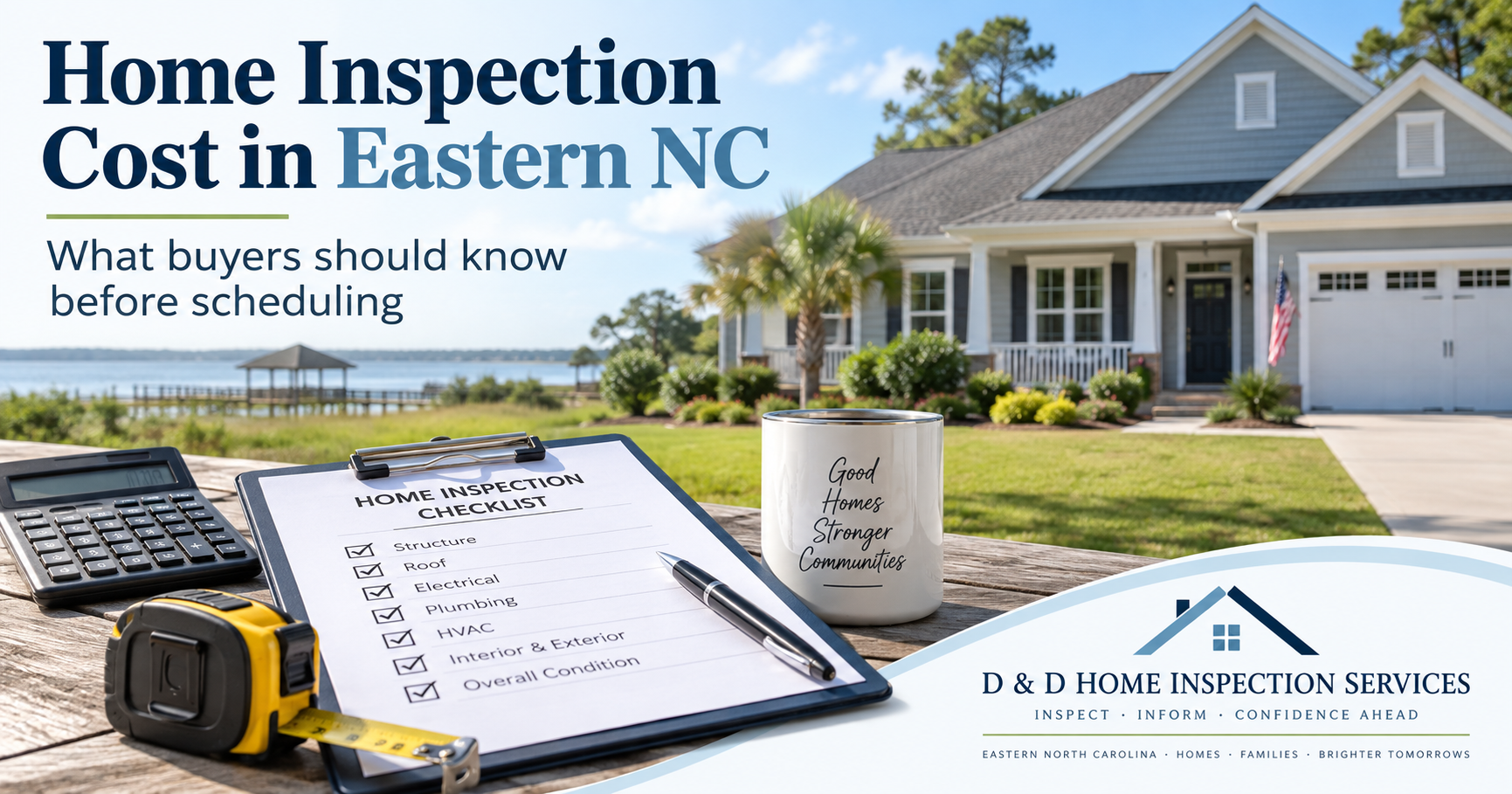

Published: September 22, 2026
What Determines the Cost of a Home Inspection?
A home inspection is not necessarily a one-size-fits-all service. Properties throughout Eastern North Carolina can vary significantly in size, construction, age, foundation type, utilities, and overall complexity.
When requesting an inspection, the inspector may need information about the property before providing the final inspection fee.
Factors that may affect the scope and cost of an inspection can include:
- The size and overall complexity of the home
- The age and construction of the property
- Whether the house has a crawl space, basement, slab foundation, or other areas requiring inspection
- Detached structures or additional areas that may need to be inspected
- Whether additional inspections or testing are requested
- The type of property or inspection being performed
The most useful approach is to request a quote based on the specific property rather than assuming that every home inspection will cost the same.
What Is Included in a Home Inspection?
A professional home inspection is intended to provide the client with information about the observable condition of the home’s major systems and components at the time of the inspection.
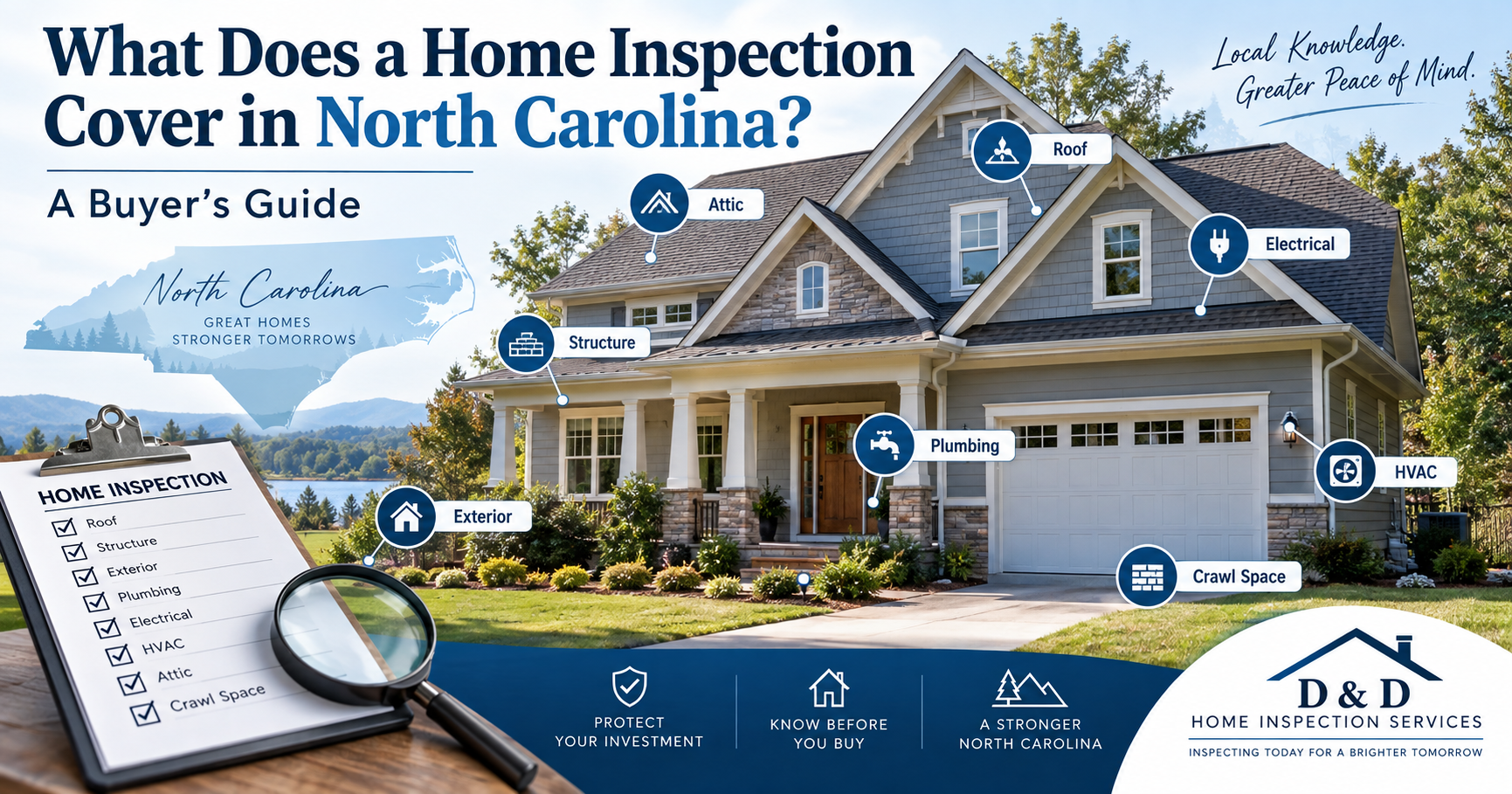
Depending on the property and the inspection agreement, this may involve reviewing accessible areas and components associated with the home’s structure, exterior, roof, interior, electrical system, plumbing system, heating and cooling equipment, attic, insulation, ventilation, and foundation or crawl space.
The exact scope should always be explained in the inspection agreement so the buyer understands what is and is not included.
Home Inspection Cost vs. the Cost of Buying a House
When buyers are already paying for closing costs, loan expenses, moving expenses, insurance, and other real-estate costs, it can be tempting to view the home inspection as another expense to reduce.
However, the purpose of the inspection is different from many of those other costs. A home inspection provides the buyer with additional information about the physical condition of the property.
That information can help buyers identify items that may deserve additional evaluation, maintenance concerns they should understand, or conditions they may want to discuss with their real-estate or other appropriate professionals before completing the purchase.
Are Termite Inspections Included in the Home Inspection?
Homebuyers should not automatically assume that a standard home inspection and a wood-destroying insect inspection are the same service.
In North Carolina real-estate transactions, buyers may encounter a Wood-Destroying Insect Report, commonly called a WDIR. This is a separate subject from the general home inspection and is important enough that buyers should confirm whether a WDIR is needed for their particular transaction.
When scheduling your home inspection, ask whether termite or wood-destroying insect inspection services are included, offered separately, or need to be scheduled with an appropriately qualified provider.
What About Well Water and Septic Systems?
Homes in many parts of Eastern North Carolina may use private wells, septic systems, or both.
Buyers should determine whether additional inspections or testing are appropriate for these systems because they should not assume that every specialized service is automatically included in a standard home inspection.
For example, a buyer considering a property with a private well may want to ask about water testing. A home with a septic system may require a separate septic evaluation depending on the buyer’s needs and the property.
Understanding these services before scheduling can help the buyer develop a more accurate overall inspection budget.
Should You Add Indoor Air Quality or Mold Testing?
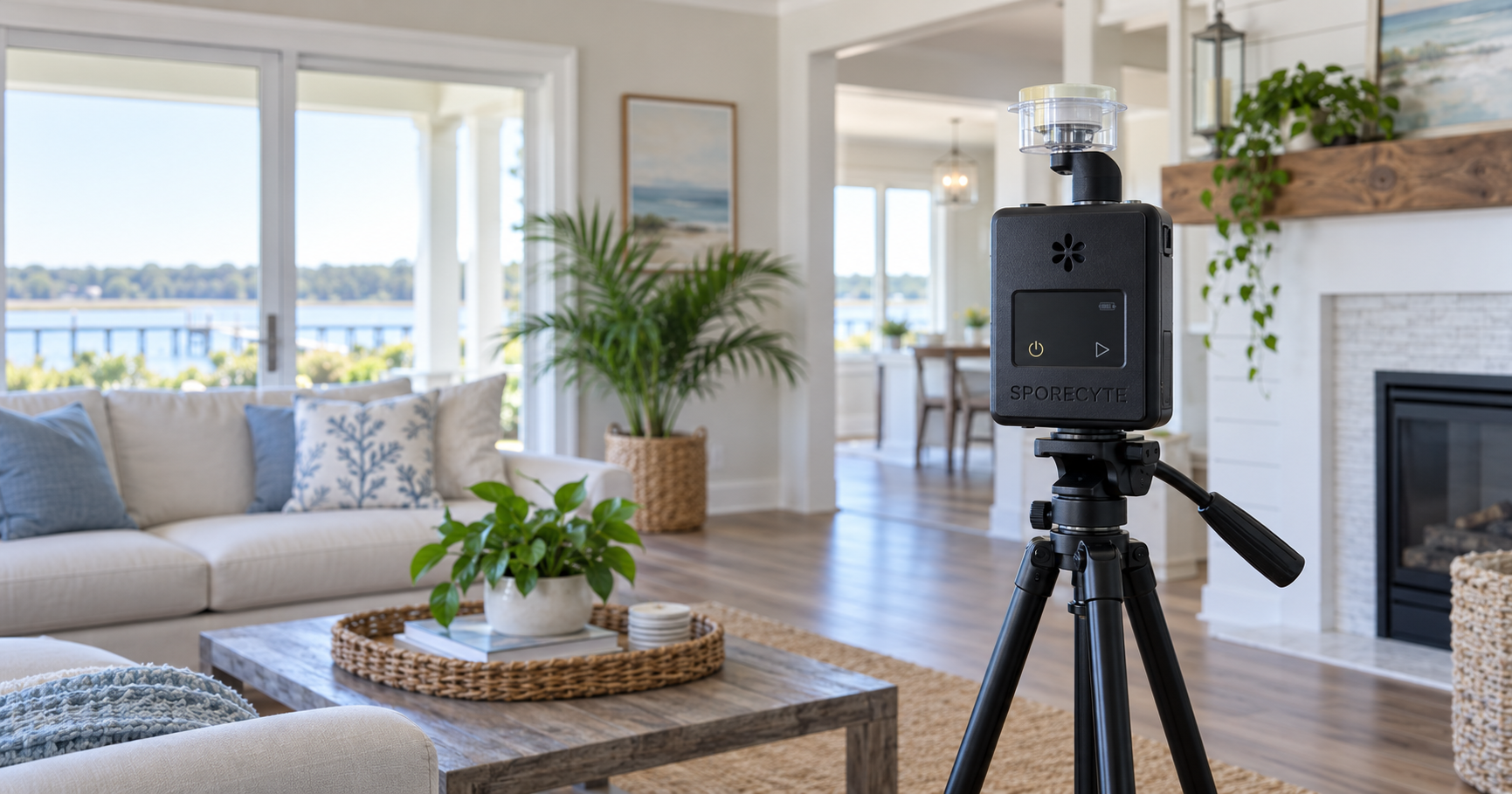
Some buyers may also consider additional environmental or indoor-air-quality testing when circumstances warrant it.
This can be particularly relevant when there are concerns involving moisture, unusual odors, visible suspect growth, previous water intrusion, or conditions in a crawl space or other area of the home.
Additional testing should be selected because it is appropriate for the property—not simply because it is available.
Why Crawl Spaces Matter in Eastern North Carolina
Crawl spaces deserve particular attention when purchasing a home in Eastern North Carolina.
Moisture-related conditions beneath a house can affect wood components, insulation, flooring systems, ventilation, and other accessible areas. Standing water, plumbing leaks, elevated moisture conditions, damaged vapor barriers, and other crawl-space concerns may also require further evaluation.
A buyer purchasing a crawl-space home should understand whether the crawl space is accessible and what the inspector can reasonably inspect on the day of the inspection.
Older Homes May Require More Investigation
Eastern North Carolina has homes representing many different construction periods and building practices.
An older home is not automatically a bad investment, but buyers should understand that older properties can contain aging components, previous repairs, renovations, additions, or systems installed during different periods of the home’s history.
If an inspector identifies something outside the scope of a general home inspection, further evaluation by a qualified specialist may sometimes be appropriate.
Does a More Expensive Home Inspection Mean a Better Inspection?
Price alone does not tell you whether an inspection will be thorough or useful.
When comparing inspectors, buyers should look beyond the fee and ask what the inspection includes, how findings are documented, what type of report they will receive, and whether the inspector clearly explains significant observations.
The goal is not simply to purchase an inspection. The goal is to receive useful information that helps you better understand the property you are considering buying.
Questions to Ask Before Comparing Home Inspection Prices
Before selecting an inspector based on price, consider asking:
- What is included in the inspection?
- Are there additional charges for particular property features?
- Is a crawl-space inspection included when the area is accessible?
- Is a termite or WDIR inspection separate?
- Are well-water testing services available?
- Are additional testing services available when needed?
- How will the inspection findings be delivered?
- Can I contact the inspector if I have questions about the report?
These questions make it easier to compare inspection services on something more meaningful than price alone.
Home Inspection Costs for New Construction
Buyers purchasing newly constructed homes should also consider the type of inspection they need.
New-construction inspections can occur at different stages. Depending on the project and the buyer’s needs, inspection opportunities may include a pre-drywall inspection, a final inspection before closing, or other construction-phase inspections.
Because these inspections involve different stages and scopes, buyers should request pricing for the particular inspection they need rather than assuming that all new-construction inspection services are identical.
Should You Choose the Cheapest Home Inspector?
Choosing a home inspector solely because that inspector provided the lowest quote may not give you enough information to make a meaningful comparison.
Instead, compare:
- The scope of the inspection
- The inspector’s qualifications and experience
- The quality and clarity of the inspection report
- Whether the inspector is available to answer questions
- Which additional inspection services are available
- Whether the inspection fits the type of property you are purchasing
A difference in inspection price may be relatively small compared with the overall financial commitment involved in purchasing a house.
How to Get an Accurate Home Inspection Price
The best way to determine the cost of your home inspection is to provide the inspection company with information about the actual property.
When requesting a quote, be prepared to provide information such as:
- The property address
- The type of property
- Whether the home has a crawl space or other special areas
- Whether you need additional inspection or testing services
- Your expected inspection or closing timeline
Providing complete information can help the inspection company determine the appropriate scope of work before the appointment.
Home Inspections Across Eastern North Carolina
Eastern North Carolina includes a wide variety of housing, from older homes and rural properties to subdivisions, coastal-area houses, military relocation purchases, and new construction.
Because properties vary so much, buyers should expect inspection needs to vary as well. A crawl-space home on a private well and septic system may present a different inspection scope than a newer house connected to municipal utilities.
The inspection should fit the property rather than forcing every property into the same package.
Frequently Asked Questions About Home Inspection Costs
How much should I budget for a home inspection in Eastern North Carolina?
There is no single fee that applies to every property. Ask for a property-specific quote and determine whether you will also need services such as a WDIR, well-water testing, or other specialized inspections.
Is a termite inspection included with a home inspection?
Do not assume that it is. A general home inspection and a wood-destroying insect inspection serve different purposes. Ask your inspection company exactly which services are included in your quote.
Does a larger house cost more to inspect?
The size and complexity of a property can affect the amount of work involved in an inspection. Request a quote using the actual property information.
Do older homes cost more to inspect?
The age of a property can affect its complexity, but inspection pricing policies vary. Ask the inspector how the characteristics of the home affect the quoted fee.
Does a home inspection include well-water testing?
Buyers should verify this before the inspection. Water testing may be an additional service depending on the inspection company and the needs of the property.
Should I get a home inspection on a new house?
New construction can still benefit from an independent inspection. Buyers may also have opportunities for inspections at different phases of construction, including before drywall installation and near completion.
The Bottom Line
The cost of a home inspection in Eastern North Carolina depends on the property and the services you need. Instead of focusing exclusively on finding the lowest inspection price, determine what is included, what additional inspections may be appropriate, and whether the inspector will provide the information you need to understand the condition of the property.
A home purchase is a major financial commitment. A professional inspection gives buyers an opportunity to learn more about the house before moving forward with the transaction.
Need a Home Inspection in Eastern North Carolina?
D & D Home Inspection Services provides professional home inspection services for buyers, homeowners, sellers, and new-construction clients throughout Eastern North Carolina.
If you would like pricing for a specific property, contact us with the property address and the inspection services you need.
D & D Home Inspection Services
Eastern North Carolina
www.ddhomeinspectionservices.com





Leave a Reply