


North Carolina Home Inspector License #1824
Published: September 22, 2026
Just as important, a home inspection has limitations. It is not technically exhaustive, does not guarantee that every defect will be discovered, and does not automatically include specialized services such as termite inspections, mold testing, well-water testing, septic inspections, environmental testing, or engineering evaluations.
Key Takeaways for North Carolina Homebuyers
- A home inspection evaluates the condition of major visible and accessible systems and components at the time of the inspection.
- North Carolina has specific Standards of Practice governing licensed home inspectors.
- The inspection normally includes structural components, roofing, plumbing, electrical, HVAC, interiors, exterior components, insulation, ventilation, and certain built-in appliances.
- Crawl spaces and attics are important parts of the inspection when they can be safely accessed.
- A home inspection is not the same thing as a termite or Wood-Destroying Insect Report.
- Private well-water quality and septic-system evaluations are not automatically included in the standard North Carolina home inspection.
- Mold, asbestos, radon, lead, and other environmental concerns generally require separate testing or evaluation.
- A home does not simply “pass” or “fail” a home inspection. The purpose is to document conditions and help the buyer understand the property.
What Is a Home Inspection in North Carolina?
North Carolina defines a home inspection as a written evaluation based on observation or noninvasive testing of residential building components and systems.
The purpose of the inspection is to give the client a better understanding of the property’s condition as it existed and was observable at the time of the inspection.
That distinction is important.
A home inspector is not taking the house apart, opening finished walls, excavating underground pipes, removing flooring, or performing destructive testing. The inspector evaluates what can reasonably and safely be seen, accessed, and operated under the North Carolina Standards of Practice.
Conditions can also change after an inspection. Plumbing can begin leaking, electrical components can fail, HVAC equipment can stop operating, or a storm can damage a roof after the inspector leaves. A home inspection should therefore be viewed as a professional evaluation of observable conditions at a particular point in time rather than a warranty on the house.
What Does a North Carolina Home Inspector Look At?
The North Carolina Home Inspector Standards of Practice divide the standard inspection into several major areas. Understanding these areas can help buyers know what to expect when inspection day arrives.
1. Structural Components and Foundation
The structure is one of the most important parts of a home inspection.
A North Carolina home inspector evaluates readily visible and accessible structural components, including:
- Foundation components
- Floor structures
- Walls
- Columns and piers
- Ceiling structures
- Roof structures
The inspector may look for conditions such as visible deterioration, movement, damaged framing, moisture-related damage, improperly supported components, or other evidence suggesting that a structural component is not functioning as intended.
When deterioration of an accessible structural component is suspected, North Carolina’s Standards of Practice allow the inspector to probe the material to help evaluate its condition.
Significant structural concerns may require additional evaluation by a qualified contractor, structural engineer, or other appropriate specialist.
For more information about this part of an inspection, see our Structural Inspection information.
2. Crawl Space, Basement and Attic
For many Eastern North Carolina homes, the crawl space deserves particular attention.
Accessible crawl spaces can reveal conditions that may not be obvious while walking through the living area above. An inspector may observe:
- Floor joists and girders
- Foundation piers
- Visible plumbing leaks
- Standing water
- Moisture staining
- Wood deterioration
- Insulation conditions
- Ventilation conditions
- Visible ductwork
- Evidence of abnormal water penetration or condensation
Current North Carolina rules also require inspectors to report the access locations for underfloor crawl spaces and attics, indicate whether those areas were fully accessible or identify portions that could not be accessed, and describe the method used to inspect them.
An inspector is not required to enter an area when access is obstructed, entry could damage the property, or conditions appear unsafe.
This is why having crawl-space and attic access available on inspection day can be important for a buyer.
3. Exterior of the Home
The exterior inspection involves much more than simply looking at siding.
Depending on the property, the inspector may evaluate:
- Exterior wall coverings
- Flashing and trim
- Entry doors
- A representative number of windows
- Porches
- Decks
- Balconies
- Steps and railings
- Eaves
- Soffits
- Fascia
- Driveways
- Walkways
- Patios
- Retaining walls
- Garage doors and their safety features
The inspector also considers vegetation, grading, and drainage where those conditions may affect the building.
For example, water consistently draining toward a foundation may be more important to the inspection than the appearance of the landscaping itself.
4. Roof and Roof Drainage
The roof is another major area of concern for most buyers, especially when purchasing an older home or a property that may have been exposed to previous storms.
A North Carolina home inspection generally includes examination of accessible roofing components such as:
- Roof coverings
- Gutters and roof drainage
- Flashing
- Skylights
- Chimneys
- Roof penetrations
- Visible signs of leakage
- Evidence of abnormal condensation
The inspector should describe the type of roof covering and report how the roof was inspected.
One common misunderstanding is that a home inspector is always required to physically walk on the roof. North Carolina’s Standards of Practice do not require an inspector to walk a roof. Roof pitch, height, weather, surface conditions, material condition, or other safety concerns may make walking the roof inappropriate.
When necessary, other methods may be used to observe accessible roofing components.
5. Plumbing System
A standard inspection includes important visible and accessible portions of the home’s plumbing system.
The inspector generally evaluates items such as:
- Interior water supply piping
- Visible pipe supports and insulation
- Fixtures and faucets
- Functional water flow
- Visible leakage
- Drain, waste, and vent piping
- Functional drainage
- Water-heating equipment
- Accessible fuel piping
- Sump pumps where applicable
Plumbing fixtures are normally operated during the inspection when conditions allow.
The inspector may also identify the visible plumbing materials and the location of the main water shutoff when accessible.
For additional information, visit our Plumbing Inspection page.
What About a Private Well or Septic System?
This is an especially important question for buyers looking at rural properties in Eastern North Carolina.
A standard home inspection does not automatically include testing the quality or quantity of water supplied by a private well. It also does not automatically include a complete evaluation of an onsite septic or waste-disposal system.
Those services may require separate inspections or testing.
If the property has a private well or septic system, ask what additional services should be scheduled before your due-diligence period expires.
6. Electrical System
The electrical inspection includes accessible portions of the home’s service and branch-circuit system.
Depending on the home and accessibility, an inspector evaluates items such as:
- Service entrance conductors
- Main electrical equipment
- Grounding equipment
- Main overcurrent protection
- Accessible electrical panels
- Branch-circuit conductors
- A representative number of switches
- A representative number of receptacles
- Installed lighting fixtures
- Installed ceiling fans
- Accessible GFCI protection
North Carolina inspectors also report the presence or absence of readily accessible smoke alarms and, where applicable, carbon monoxide alarms. Their test functions are operated when they are accessible and are not part of a central alarm system.
The inspector may also document potentially significant conditions such as readily accessible single-strand aluminum branch-circuit wiring.
A home inspection is not a complete electrical engineering analysis, however, and specialized electrical concerns may require evaluation by a licensed electrician.
7. Heating System
Permanently installed heating equipment is normally evaluated using the homeowner’s normal operating controls when conditions allow.
The inspection may include:
- Heating equipment
- Thermostatic and normal operating controls
- Accessible safety controls
- Visible chimneys, flues, and vents
- Solid-fuel heating devices
- Ductwork
- Pumps and piping
- Registers and radiators
- Visible insulation associated with distribution systems
The inspector also identifies the heating energy source and general equipment type.
Heating systems do not have to be operated when weather conditions or other circumstances could damage the equipment or make operation inappropriate.
8. Air-Conditioning System
Central air-conditioning systems and installed ductless cooling equipment are generally inspected when weather and operating conditions permit.
The inspection can include:
- Cooling equipment
- Air-handling equipment
- Normal operating controls
- Fans
- Ductwork
- Piping
- Registers
- Filters
- Visible insulation
The system is normally operated through its regular controls when doing so will not risk damaging the equipment.
An inspector may therefore decline to operate air-conditioning equipment when outdoor temperature or other conditions make operation inappropriate.
9. Interior Rooms and Components
Inside the home, the inspection includes readily visible and accessible components such as:
- Walls
- Ceilings
- Floors
- Steps and stairways
- Balconies
- Railings
- Counters
- A representative number of built-in cabinets
- A representative number of doors
- A representative number of windows
The inspector also looks for signs of abnormal water penetration or harmful condensation on visible building components.
It is important to understand the phrase representative number. A home inspector is not necessarily required to operate every single identical window, door, switch, or receptacle in the house. North Carolina Standards allow representative sampling of certain repeated components.
10. Insulation and Ventilation
Accessible insulation and ventilation can provide useful clues about the home’s condition.
The inspector generally examines:
- Insulation in unfinished spaces
- Accessible vapor retarders
- Attic ventilation
- Foundation-area ventilation
- Kitchen exhaust systems
- Bathroom exhaust systems
- Laundry ventilation
- Readily accessible attic ventilation fans
Concealed insulation inside finished walls and ceilings is not part of a normal visual home inspection.
11. Built-In Kitchen Appliances
North Carolina’s Standards of Practice also include basic operation of certain installed kitchen appliances.
These may include:
- Installed dishwashers
- Ranges
- Cooktops
- Permanently installed ovens
- Trash compactors
- Garbage disposals
- Range hoods and ventilation equipment
- Installed microwave ovens
Refrigerators and other non-built-in appliances are not automatically included within the North Carolina Standards of Practice.
What Does a Standard Home Inspection Not Cover?
Knowing what is excluded can be every bit as important as knowing what is included.
A standard North Carolina home inspection is not technically exhaustive, and inspectors are not required to determine or provide every type of information about the property.
Among other limitations, a standard inspection does not automatically determine:
- The remaining life expectancy of every system or component
- The exact cause of every defect
- The cost of every repair
- The market value of the property
- Whether you should or should not purchase the home
- Complete compliance with every building code
- Conditions hidden behind finished walls, floors, or ceilings
- Underground conditions
- The future performance of a system or component
The inspection is intended to help you understand observable property conditions—not make the purchasing decision for you.
Does a Home Inspection Include a Termite Inspection?
No. A standard North Carolina home inspection should not be confused with a termite or Wood-Destroying Insect inspection.
North Carolina’s home-inspection Standards of Practice do not require the home inspector to determine the presence or absence of termites, other wood-destroying organisms, rodents, or insects as part of the standard home inspection.
A separate Wood-Destroying Insect Report, commonly called a WDIR, may be appropriate or required for a real-estate transaction depending on the circumstances, lender, contract, or property.
This distinction is particularly important when buying homes with crawl spaces, visible wood deterioration, moisture problems, previous termite treatment, or other conditions that raise concerns about wood-destroying insects.
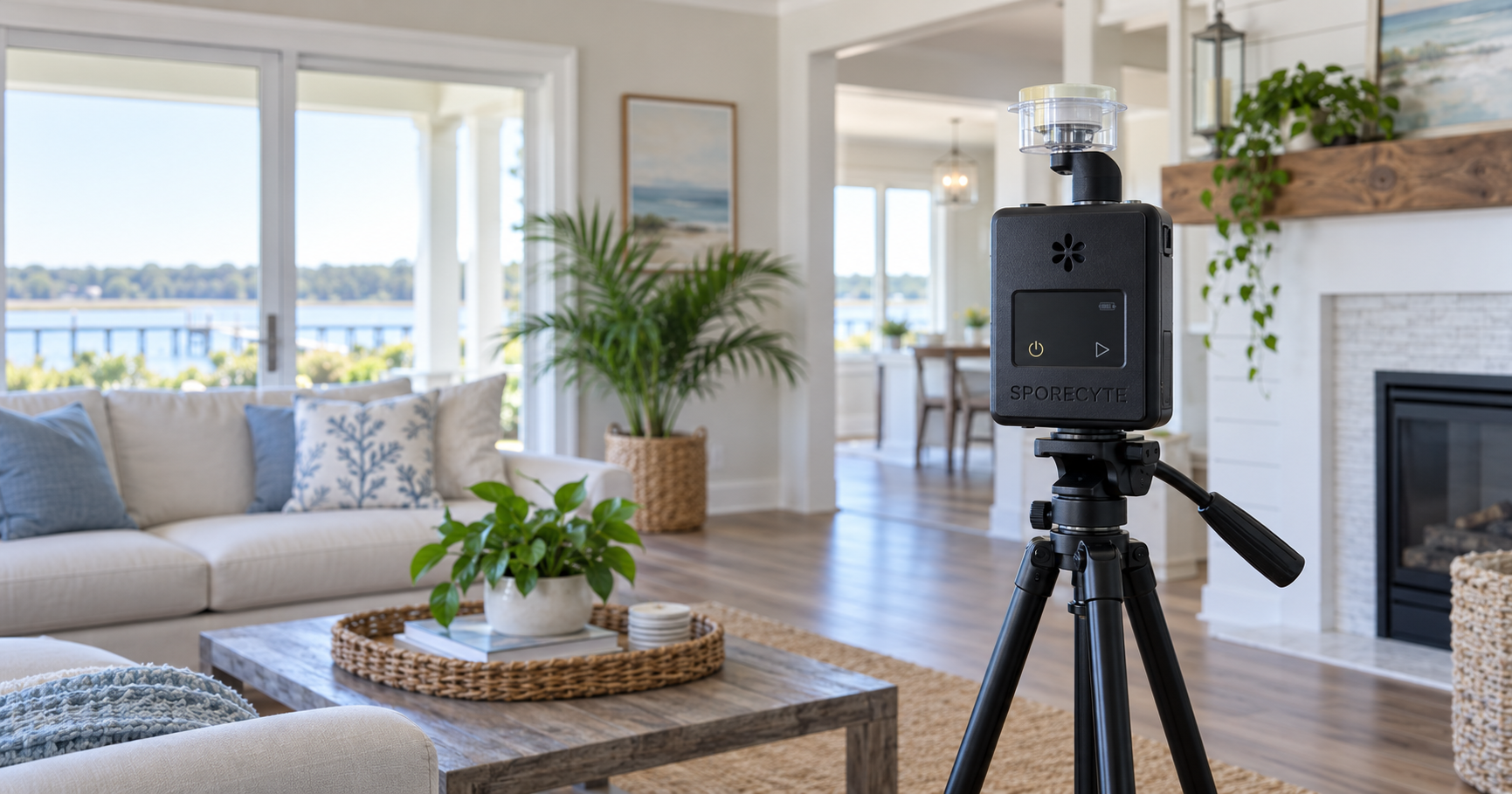
Does a Home Inspection Include Mold Testing?
Not automatically.
A standard home inspection may identify visible moisture problems, water intrusion, staining, condensation, or other conditions that deserve further investigation. However, determining the presence or absence of mold or other environmental contaminants is outside the required scope of the standard North Carolina home inspection.
If conditions suggest that additional investigation would be useful, separate mold or indoor-air-quality testing may be considered.
Learn more about Indoor Air Quality Testing.
Does a Home Inspection Include Thermal Imaging?
Infrared or thermal imaging can provide additional information by detecting temperature patterns that may help identify areas deserving closer investigation, but thermal imaging should not be mistaken for X-ray vision.
Temperature anomalies can have multiple causes and must be interpreted in context with the visible conditions of the home.
More information is available on our Thermal Imaging Inspection page.
What Happens If the Inspector Finds a Problem?
Finding problems during a home inspection is normal. Even relatively new homes can have defects, maintenance concerns, installation problems, or components that need additional evaluation.
The important question is not simply how many items appear in the report.
Instead, buyers should consider:
- What is the condition?
- How serious are the potential consequences?
- Is it primarily maintenance, repair, or a possible safety concern?
- Does it require further evaluation by a specialist?
- Could it affect other parts of the house?
- Does it need attention before closing, or can it reasonably be addressed later?
North Carolina inspection reports are intended to describe reportable defective conditions, explain their implications, and provide an appropriate course of action such as repair, monitoring, or further evaluation by a qualified specialist.
Can a House Fail a Home Inspection?
Generally, the better way to think about a home inspection is that the house does not receive a simple passing or failing grade.
An inspection documents conditions.
A 50-year-old house may have a long inspection report and still be acceptable to a buyer who understands the repairs and maintenance involved. A much newer house may have fewer findings but contain one issue that deserves immediate attention.
The report provides information. The buyer, along with their real-estate agent, attorney, contractors, lenders, and other advisors when appropriate, decides how that information affects the transaction.
Why Eastern North Carolina Buyers Should Pay Close Attention to Moisture
For buyers in Eastern North Carolina, moisture deserves careful attention during the inspection—particularly in crawl spaces, attics, around plumbing, near roof penetrations, and around exterior drainage areas.
A moisture problem in one area can sometimes affect several other parts of the home.
For example, persistent crawl-space moisture may contribute to deterioration of wooden structural components, damaged insulation, condensation, or conditions that warrant additional investigation.
The important question is not simply whether moisture is present. The inspector looks for evidence that helps determine where the moisture may be coming from, what components appear affected, and what type of further evaluation or correction may be appropriate.
The Home Inspection Report Matters as Much as the Inspection
The physical inspection is only one part of the process. The written report is where the inspector communicates the findings to the client.
Under North Carolina requirements, the report should identify relevant systems and components, document required conditions, state when designated components were not inspected and explain why, and provide guidance concerning reportable defects.
For a pre-purchase inspection covering three or more systems, North Carolina also requires a summary page.
Buyers should not read only the summary.
The complete report may contain important observations, maintenance information, limitations, photographs, recommendations, and other information that does not appear on the summary page.
Should the Buyer Attend the Home Inspection?
When practical, attending at least part of the inspection can be helpful.
Seeing a condition in person often makes the written report easier to understand. It also gives buyers an opportunity to learn basic information about the property, such as the location of important components and systems.
However, buyers should allow the inspector enough time and space to conduct the inspection methodically. Questions are usually most useful when they help clarify the condition of the property rather than interrupting each individual inspection step.
Before Inspection Day: Help Make Important Areas Accessible
Access can directly affect what the inspector is able to evaluate.
When possible, buyers and sellers should make sure the inspector can safely reach:
- The crawl-space entrance
- The attic entrance
- The electrical panel
- The water heater
- Heating and cooling equipment
- Plumbing fixtures
- Built-in kitchen appliances
- Garage components
Utilities should also be operational when appropriate. An inspector generally is not required to activate systems that have been shut down.
A Home Inspection Helps You Understand the House—Not Predict the Future
The real value of a professional home inspection is information.
It gives you a better understanding of what was visible and accessible at the property on inspection day, identifies conditions that may require repair or further investigation, and helps you ask better questions before making important decisions about the home.
No inspection can reveal every concealed condition or predict every future failure. But a careful inspection can provide information about the home’s major systems and components that would be difficult for most buyers to gather during a normal showing.
Frequently Asked Questions
What are the main systems included in a North Carolina home inspection?
The North Carolina Standards of Practice generally address structural components, the exterior, roofing, plumbing, electrical systems, heating, air conditioning, interiors, insulation and ventilation, and specified built-in kitchen appliances.
Does the inspector have to enter the crawl space?
The inspector generally enters accessible underfloor crawl spaces unless the entrance is obstructed, entry could damage the property, or potentially dangerous or adverse conditions make entry inappropriate.
Does the inspector have to walk on the roof?
No. North Carolina’s Standards of Practice do not require an inspector to walk on the roof. The inspector should report the method used to inspect it.
Does a home inspection include termite inspection?
No. The standard home inspection does not require determining whether termites or other wood-destroying organisms are present. A separate WDI or termite inspection may be appropriate.
Does a standard inspection include mold testing?
No. Environmental testing for mold or other suspected contaminants is not automatically part of the required standard inspection.
Does a home inspection include a septic system?
A complete evaluation of an onsite septic or waste-disposal system is not automatically included in the standard North Carolina home inspection. Buyers of properties with septic systems should determine whether a separate septic inspection is appropriate.
Does a home inspection include well-water testing?
No. Testing private well-water quality or determining well-water quantity is outside the required standard home-inspection scope. Separate water testing can be requested when appropriate.
Does the inspector check every outlet and window?
Not necessarily. North Carolina Standards allow a representative number of certain repeated components, including windows, doors, switches, fixtures, and electrical receptacles, to be inspected.
Can a home inspector tell me whether I should buy the house?
The inspector’s job is to report the observed condition of the property and provide appropriate recommendations. The North Carolina Standards do not require the inspector to advise whether you should or should not purchase the property.
Schedule a Home Inspection in Eastern North Carolina
If you are buying a home in Eastern North Carolina, D & D Home Inspection Services can help you better understand the condition of the property before closing.
Our goal is simple: inspect the accessible systems and components carefully, document what we observe, and provide a clear report that helps you make informed decisions about the property.
Ready to schedule an inspection?
Request a Home Inspection or call/text (252) 523-8255.
You can also review our Home Inspection Services or learn more about Home Inspection Costs in Eastern North Carolina.
About the Author
William Davis is a North Carolina licensed home inspector with D & D Home Inspection Services. D & D provides residential home inspections and related inspection services throughout Eastern North Carolina.
North Carolina Home Inspector License #1824
InterNACHI Certified Home Inspector
Sources and References
- North Carolina Home Inspector Licensure Board — Home Inspector Licensure Act and Board Rules, effective June 1, 2026.
- North Carolina Administrative Code, Title 11, Chapter 08 — North Carolina Home Inspector Standards of Practice.
- North Carolina General Statutes, Chapter 143, Article 9F — Home Inspector Licensure Act.
Educational note: This article provides general information about the scope of a North Carolina home inspection. The exact inspection scope can vary according to the property, accessibility, safety conditions, written inspection agreement, and any additional services requested by the client.







Leave a Reply